
The Granny Style Revival: Why Grandmillennial Decor is Right on Schedule
If you feel like your Instagram feed has suddenly been taken over by needlepoint pillows, pleated lampshades, and floral wallpaper, you aren’t imagining things. The “Granny Chic” revival is here, and it arrived right on schedule.
Coined back in 2019, the term Grandmillennial might sound like just a prettier, marketing-friendly name for your grandmother’s living room, but its resurgence is part of a predictable, generational spiral.
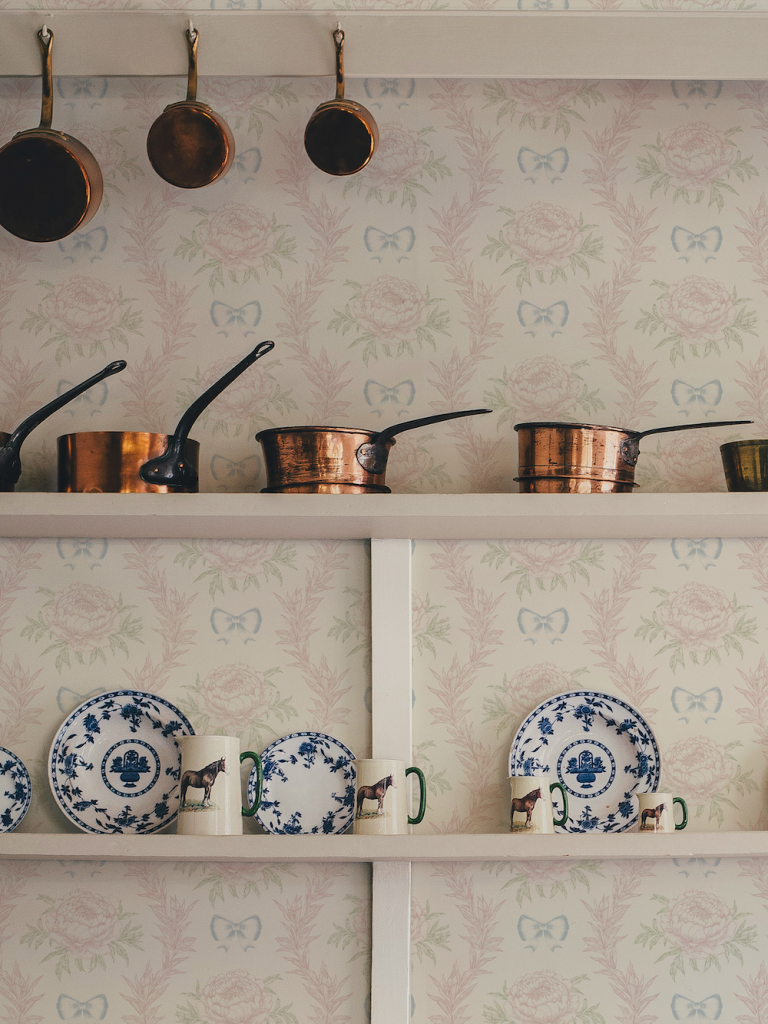
The 30-Year Trend Spiral
Design trends tend to recycle roughly every 30 years, which explains why we saw waves of nostalgia in the 1960s, the 1990s, and again today. This constant recycling makes thrift stores and estate sales absolute goldmines for the Grandmillennial look—but there is a fine line between a room that looks beautifully curated and one that just looks “second-hand.”
To put that into perspective: an original iPod, an early Coldplay poster, or a first-generation iPad are technically entering the vintage realm. I’m personally looking forward to selling my vintage MacBook Air from 2011 in just a few years!
What Actually Makes Something “Grandmillennial”?
Unlike highly specific design movements like Chinoiserie, Grandmillennial style doesn’t have a strict, rigid rulebook. Instead, it acts as an eclectic umbrella. Anything that evokes a sense of history and comfort goes: dark wooden furniture, floral-draped upholstery, quilts, hand-stitched embroidery, heirloom porcelain, and heavy window valances.
However, because the style embraces so much texture and pattern, it is incredibly easy to overdo it. If you aren’t careful, your cozy sanctuary can quickly end up looking less like a curated design choice and more like an overcrowded thrift shop. The secret to mastering the look is restraint. Use granny-chic elements to highlight your design intentions rather than making every single item in the room an antique.
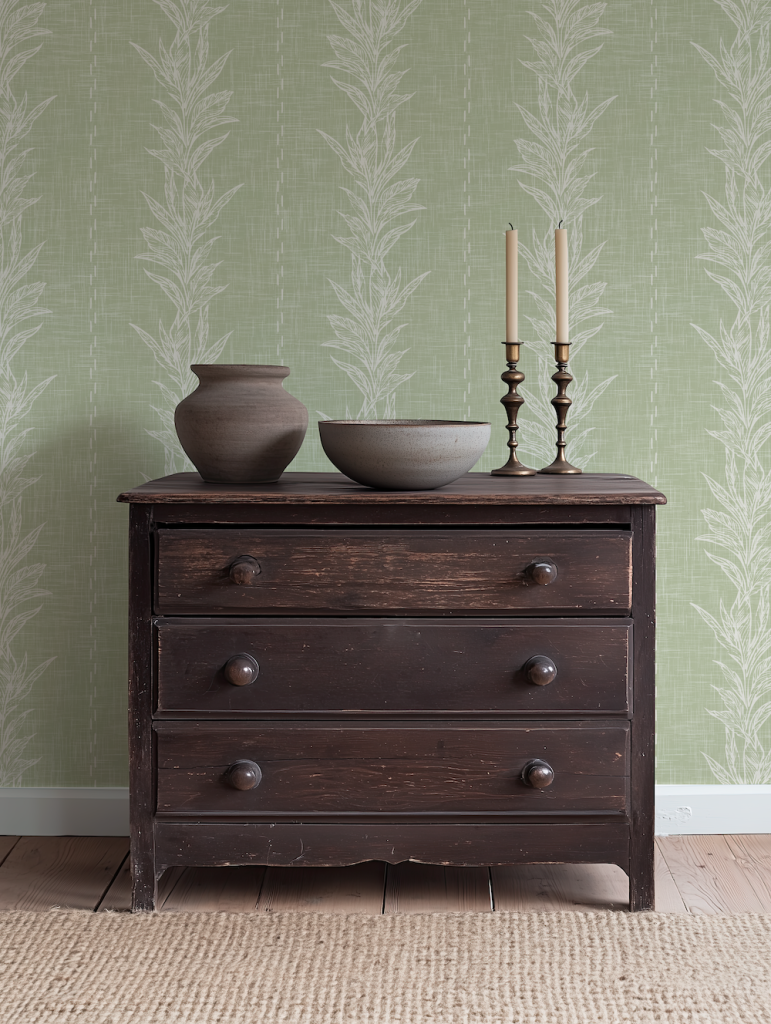
Grandmillennial vs. Farmhouse vs. Traditional
If this all sounds suspiciously similar to the Farmhouse or Traditional design styles, you’re absolutely right. The lines are blurry, but the devil is in the details:
- Farmhouse Style: Prioritizes the utilitarian nature of country living. Think sturdy, practical furniture, exposed cast iron, and muted, understated wallpapers.
- Traditional Style: The most formal of the three. It signals high status using exquisite, polished natural wood furniture, heavy textiles, and richer, darker color palettes.
- Grandmillennial Style: Daves into the whimsical, cozy, and ornamental. It’s less about the formality of a Traditional estate and less about the rugged utility of a Farmhouse—it’s about the layered warmth of a home lived-in for generations.
By mixing a few patterned pillows or a vintage porcelain collection with clean, modern lines, you can celebrate the past without getting stuck in it. After all, history repeats itself—and our living rooms are no exception.